Can I Stay In My Home After A Sewage Backup In Calgary?
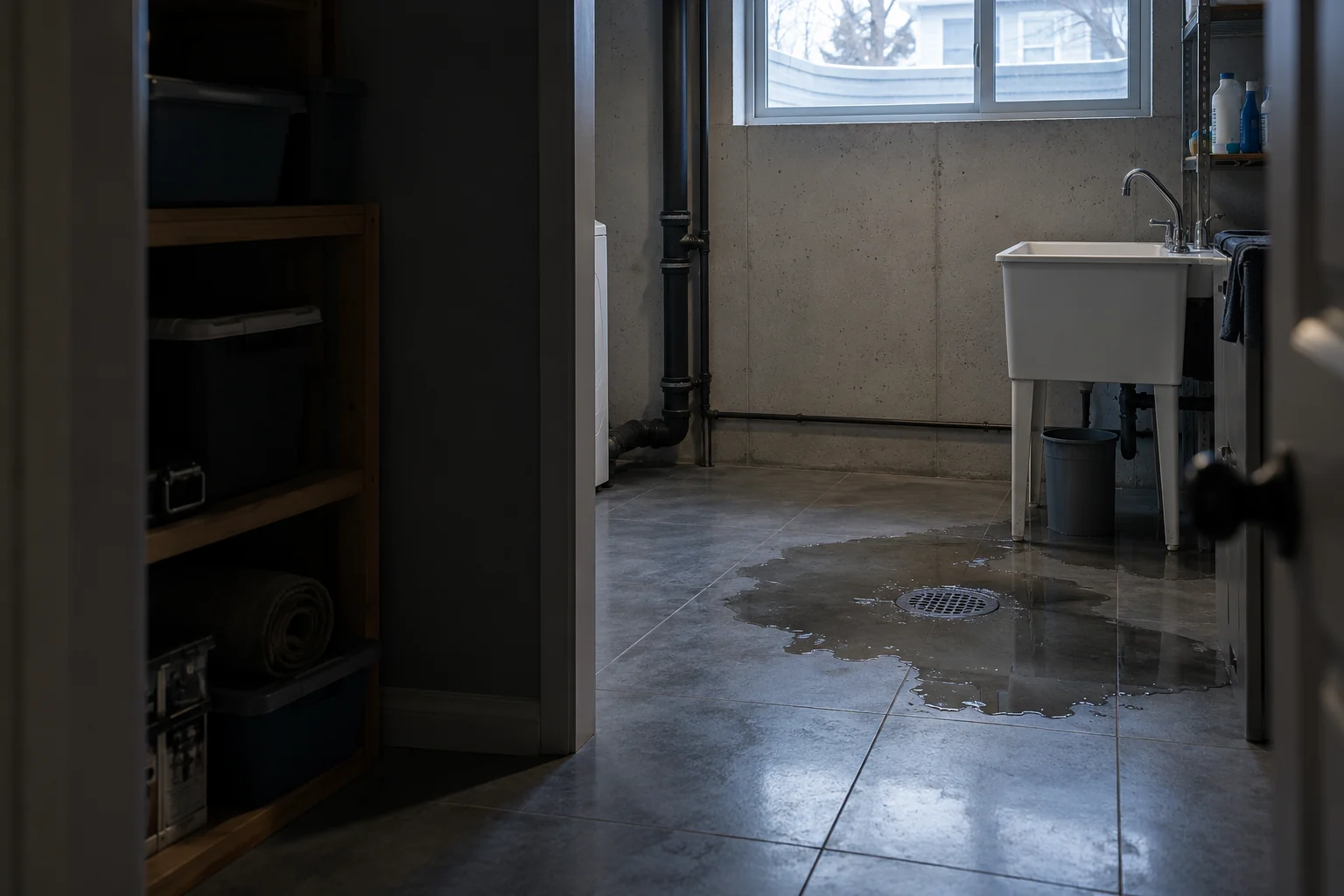
Whether you can stay depends on which rooms are affected, whether safe toilets and exits remain available, and whether sewage has reached electrical equipment or occupied spaces. Keep everyone out of contaminated areas. A plumbing repair restores drainage; it does not establish that the home is safe to occupy or that affected materials have been cleaned.
Start with the occupied rooms, not the size of the puddle
A backup confined to an isolated unfinished area presents different practical problems from wastewater crossing the stairs, kitchen or sleeping rooms. Consider how children, pets and visitors would move through the property. A closed door may limit access, but it does not make the water beneath it clean. Avoid carrying contaminated footwear or belongings into otherwise unaffected rooms.
Look at the route to essential facilities. If reaching the only bathroom requires crossing sewage, that bathroom is not safely accessible. If the household depends on a basement bedroom or a bathroom on the backed-up line, temporary alternative arrangements may be necessary while the plumbing and contamination are assessed. A small visible amount can still involve concealed material beneath flooring.
Separate drainage control from a cleanup decision
Stopping use of the affected plumbing reduces additional wastewater entering the building. Arrange sewer backup assessment for the drainage fault. Tell the plumber which fixtures were being used when the backup started and which openings overflowed. Water rising at a floor drain can be the outlet of a problem elsewhere rather than a defect in the drain itself.
Ask separately who will assess contaminated finishes, contents and inaccessible spaces. Opening a sewer line does not remove sewage from carpet, wall cavities or stored items. Do not treat clear-looking water or a disappeared odour as proof that cleaning is complete. Drainage condition and indoor contamination need different evidence, and the answers may arrive at different stages.
Conditions that make waiting inside inappropriate
Leave the affected space when water is close to energized equipment, a ceiling appears unstable, or there is no safe route around the contamination. Do not enter water to operate a breaker or retrieve belongings. For an immediate threat to people, use emergency services rather than waiting for a routine plumbing appointment.
People with particular health or mobility needs may require additional advice about exposure and access. Avoid declaring a room safe based on photographs alone. Describe those household needs to the professionals assessing the property so the plan addresses actual use of the rooms, not merely whether a drain now accepts water.
Gather useful information from a clean area
Record when the event began, the rooms affected and whether neighbours or other units report similar symptoms. Take photographs only from a safe position. If you rent, notify the landlord; in a condominium, involve the property manager because shared drainage can affect more than one suite. Keep a written record of restrictions on fixture use.
The City of Calgary sewage backup guidance directs residents to contact 311 to help distinguish a possible municipal infrastructure issue from internal plumbing. That distinction can guide the investigation, but it does not establish that indoor contaminated materials are safe. Share the City's instructions with the plumber and retain the resulting reports.
A Practical Occupancy Checklist
Before deciding where the household can wait, work through the building as a set of usable and unusable routes. This is a planning checklist, not a declaration that a contaminated room is safe. Where the answer is uncertain, ask the appropriate assessor rather than resolving it by appearance.
- Entrance and exit: Can everyone leave without crossing wastewater or a wet electrical area? Include mobility needs and access to the stairs, not just the front door.
- Toilet access: Is there a functioning bathroom on an assessed unaffected route, and can it be reached cleanly? A bathroom beyond the contaminated basement is not a practical substitute.
- Sleeping and essential belongings: Are the rooms normally used for sleeping unaffected, and can medicines or essential items be obtained without entering the spill?
- Boundaries: Can children, pets and visitors reliably stay outside the affected space? A verbal warning may be insufficient for the household's actual needs.
- Professional findings: What has been assessed, what remains uncertain and who will confirm the next occupancy decision? Separate drainage, contamination and electrical findings.
If these questions expose an unusable route or missing essential facility, arrange a temporary alternative rather than treating continued presence as the default. Do not describe that alternative as an insurance entitlement; coverage and arrangements need to be discussed with the insurer or responsible property party.
Coordinate the Plumbing and Property Records
When different people assess the sewer and indoor materials, give them the same event history. A plumber's note that flow was restored should not be rewritten as a cleanup clearance, and a room assessment should not be assumed to establish the sewer's condition. Ask for each record to state its scope so the household knows which question has been answered.
- Keep the time of the backup, rooms affected and changes in wastewater level together with photographs taken safely.
- Record fixture restrictions and who gave them. If restrictions change after an assessment, note the new instruction instead of relying on an earlier conversation.
- List rooms still awaiting material or electrical evaluation. A repaired drain does not remove those items from the list.
- For a rental or condominium, identify the contact coordinating shared systems and access so residents receive consistent instructions.
Use the records when deciding what can resume first. A dry unaffected upstairs room may be a different decision from a basement bedroom beside the spill, and one usable bathroom does not establish every drain is available. Ask for a decision matched to the room and household activity rather than a single all-or-nothing statement about the address.
Agree on what has to happen before normal use resumes
Ask for a clear explanation of the drainage test, any continuing restrictions and whether a recurrence investigation is required. Camera inspection may help explain a persistent sewer fault once access and visibility permit. It cannot certify the cleanliness of a basement or the condition of every concealed finish.
Before returning rooms to everyday use, confirm what cleanup assessment is complete and what remains unresolved. If only one part of the home is usable, identify a practical boundary and a safe bathroom arrangement rather than assuming the entire building is available. Calgary Emergency Plumbing can help with the plumbing source: call (587) 333-7742 or request service.