Is A Vac Truck Different From A Hydrovac Truck In Calgary?
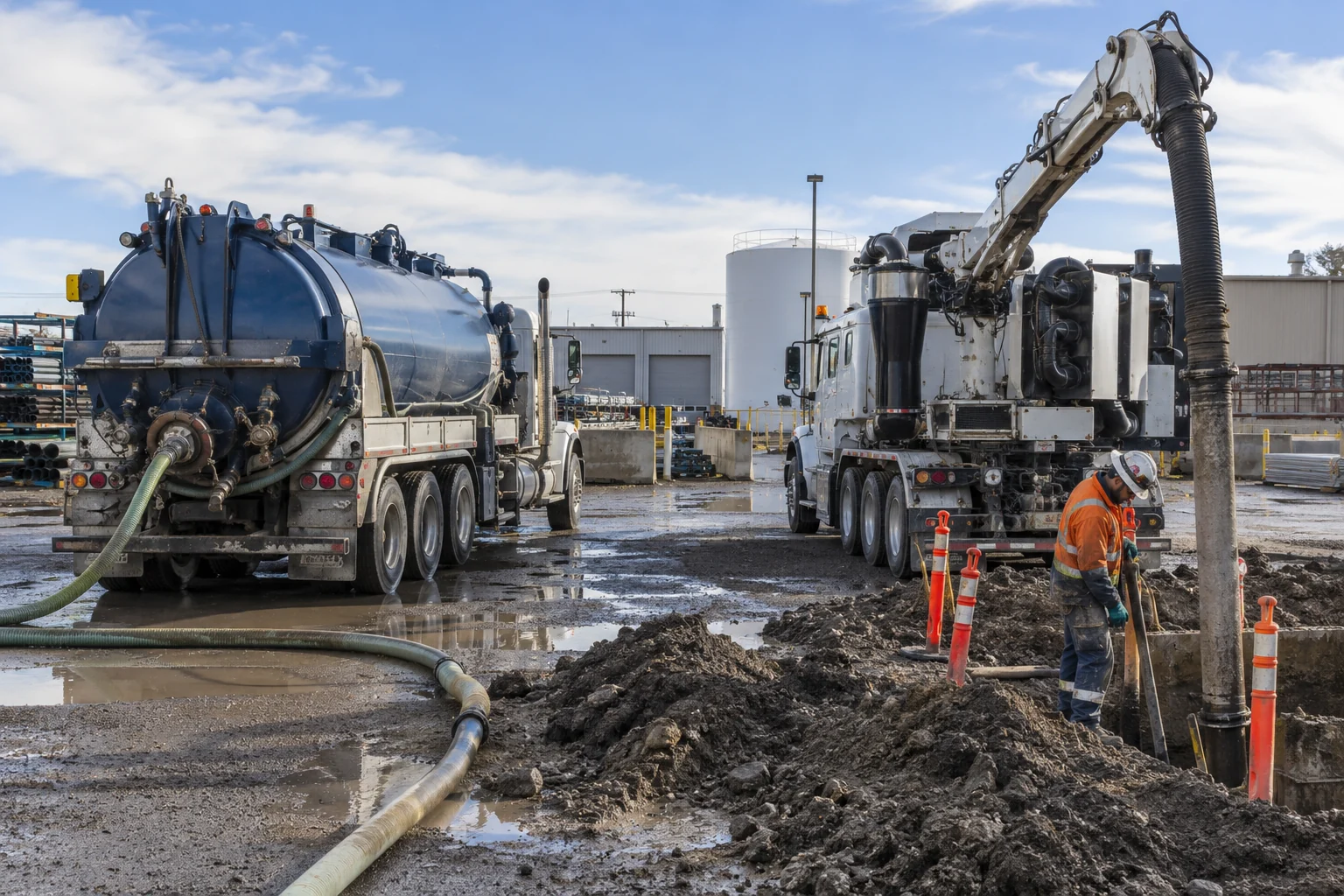
A vacuum truck is described by its collection function, while hydrovac excavation specifically combines water-assisted soil removal with vacuum collection. Some equipment can perform several functions, so the name alone does not establish suitability. Define whether the task is liquid removal, excavation or another supported operation, then confirm the actual equipment and material requirements.
For liquid collection, describe the contents and location when asking about an emergency vac truck. If buried-line exposure is the goal, ask whether hydrovac excavation and utility coordination are needed.
Start With The Task Rather Than The Vehicle Name
A manager may say vac truck when the actual need is to expose a buried line, or say hydrovac when the immediate task is removal from a holding area. Give the contractor the material, location and intended result so those terms can be clarified. The useful booking describes work the crew will perform and the conditions already established, not only a preferred vehicle name.
Recognize The Excavation Function
Water-assisted soil removal is an excavation activity, not simply a different way to collect a basement puddle. If ground is to be disturbed, include the work area and the relevant utility information in the coordination. Do not interpret vacuum equipment as exemption from locates. The method needs to be applied by the appropriate crew to the actual site and infrastructure.
Account For Equipment With Several Capabilities
Manufacturers offer equipment with different combinations of vacuum, water and other functions. Ask which function is included in this booking and whether the selected unit suits the proposed material and access. Do not assume a vehicle’s appearance or broad marketing name proves it can perform every task. The quotation should identify the work and the crew’s assessed plan.
- If the job is to collect existing liquid, describe its source, amount and location for a vac-truck assessment.
- If the job is to expose a buried pipe, describe the excavation area and request a hydrovac assessment with utility information.
- Ask the contractor which material will be collected, where it can go and how the vehicle can reach the work.
- Keep source repair and final site restoration in the scope even if one truck can support both stages.
Check The Material Before Collection
Describe the known origin of the material and any unusual contents. Collected wastewater and untreated hydrovac slurry should not be treated as the same receiving category. Confirm the appropriate destination through the contractor’s process before discharge or transport is assumed. If the contents are uncertain, disclose that rather than choose a convenient description to match the truck someone has available.
Keep Utility Requirements With Any Digging Task
The relevant work-area information needs to cover the intended disturbance, including changes discovered while planning. Provide private site records through the responsible contact and identify gaps. A truck with more than one function still needs the appropriate information for the function being used. If no ground work is planned, do not imply it is included merely because the vehicle can potentially perform it.
Discuss Vehicle Access And Operating Space
Provide the entrance, collection or exposure point and occupant routes. Let the contractor assess the working arrangement rather than assume an open parking space resolves setup. Tell them about visibly affected ground or restricted spaces before arrival. A suitable approach for one vehicle or task may not describe the arrangement needed for a different operation at the same property.
Separate Collection From Pipe Repair
Ask who handles the original leak or drainage fault and what finding will be passed to that contractor. Removing liquid can make an area accessible without correcting the source. Exposing a line can enable repair without performing it. Keep those distinctions in the site status so occupants do not interpret the first truck’s departure as completion of the plumbing incident.
A vehicle choice does not answer whether water-damaged equipment is safe to use. Alberta’s flood cleanup and utility-safety guidance addresses flooded-area and utility precautions after the collection work.
The manufacturer’s overview of vacuum and excavation functions distinguishes vacuum collection from water-assisted excavation; the site's work objective determines which function is needed.
Use A Written Scope To Compare Bookings
Compare the quotations by the same objective, material assumptions and included stages. Ask about handling, receiving and any surface work remaining. A cheaper vehicle booking is not a useful comparison if it omits the disposal or exposure stage included elsewhere. Keep the agreed scope in the incident record so the contractor’s completed work can be matched to what the property actually requested.
Ask For The Function In The Written Scope
| Record Or Decision | Useful Detail |
|---|---|
| Collect existing liquid | The proposed result is removal from a named location. Ask about the material, collection access and receiving route. Do not add excavation to the scope simply because the contractor owns a truck with additional functions. |
| Expose buried infrastructure | The proposed result is access to a defined section for inspection or repair. Ask about the disturbance area, utility coordination and who receives the exposed-line finding. |
| Support several stages | The proposal should name each operation, the material each produces or collects and the handoffs between them. Ask which functions the selected equipment and crew will actually perform on this visit. |
Consider a hypothetical Calgary property with standing liquid in one area and a suspected buried-line fault elsewhere. Those are two stated objectives, even if one contractor can support both. Ask for the collection task and exposure task to appear separately in the proposal. The contractor can then explain the suitable equipment without letting the vehicle name decide what the building has authorized.
When comparing proposals, read the completion statement: does it promise collected liquid removed, a section exposed, or a repaired system? Ask for an unclear statement to be rewritten before booking. Include any separate receiving or reinstatement work in the comparison. Keep the original source finding and remaining repair contact visible so a completed truck operation has a precise meaning for the incident manager.
Explain whether the task is liquid collection or buried-line exposure when arranging Calgary service. Ask the crew to identify the equipment and work stages it recommends. Request service or call (587) 333-7742.