How Does Hydrovac Differ From Digging In Calgary?
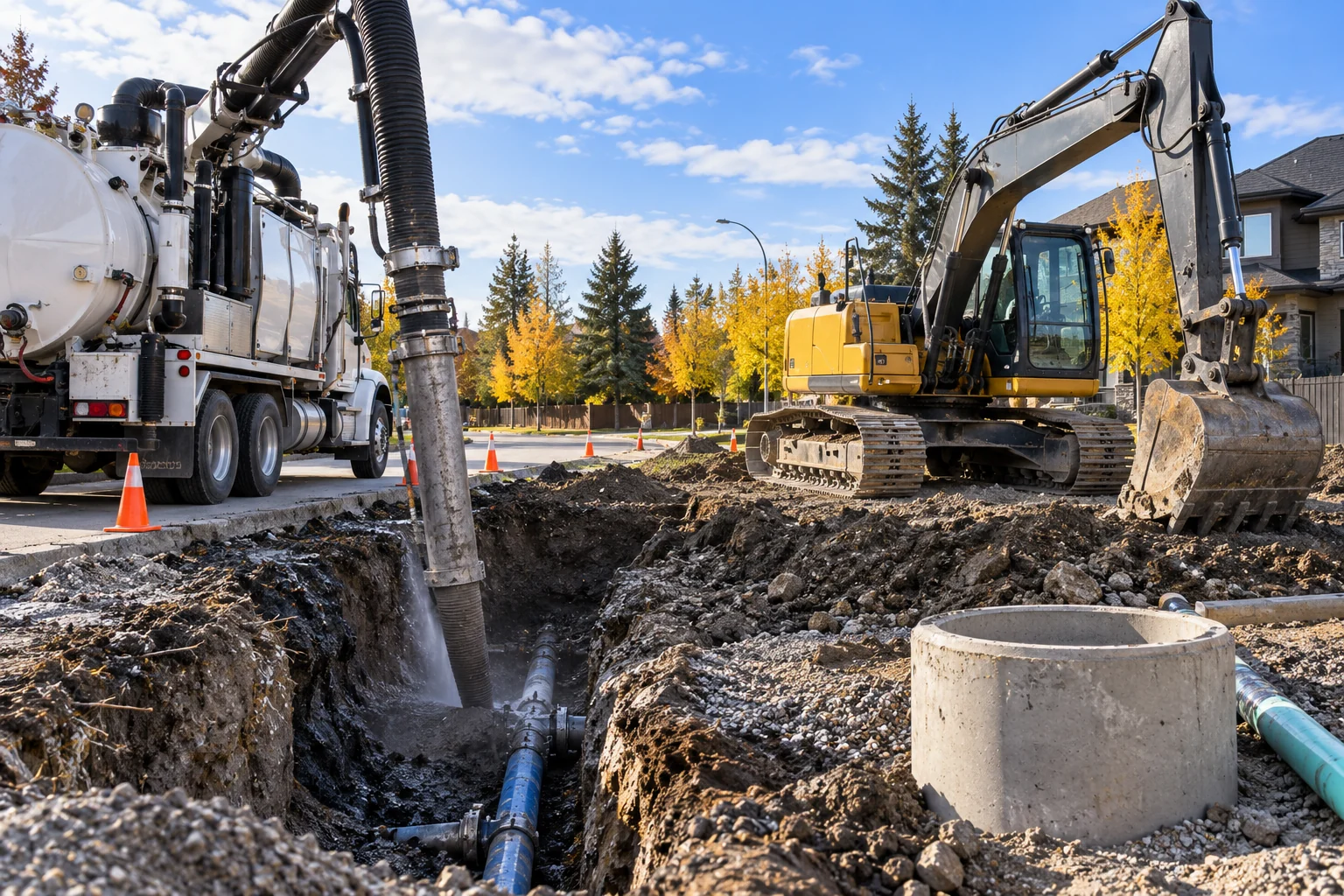
Hydrovac uses water-assisted soil removal and vacuum collection, while mechanical digging uses equipment such as a bucket to excavate material. The appropriate method depends on the task, ground conditions and buried infrastructure. Neither method removes the need for utility information and a site plan, and hydrovac should not be described as incapable of damaging a utility.
Compare Methods By The Work Required
Tell the contractor whether the work is intended to expose a particular interface, establish a line position or create access for a larger repair. The answer helps make a useful comparison. A method suited to one exposure objective may not describe the whole repair. Ask for the planned stages rather than compare two equipment names as if they always perform the same scope.
Explain The Material Removal Difference
Discuss what happens to the material as it is removed. The water-assisted hydrovac approach produces collected material that requires handling, while another excavation arrangement can have different site logistics. Do not assume the comparison ends at the moment soil is lifted. Access, hauling and the condition left for the repair contractor may all affect the practical plan at the property.
Keep Utility Requirements In Both Plans
Ask how the relevant utility information and requirements apply to the proposed area and method. Do not treat the presence of paint markings alone as a complete instruction to begin. The responsible contractor needs the associated information and any further site infrastructure review. If the approach changes after initial planning, that change should be considered before additional disturbance proceeds.
- Describe the buried service and what must be exposed.
- Confirm utility information and restrictions before either method begins.
- Ask how access, soil and collected material affect the chosen method.
- Keep the final water-line repair distinct from excavation.
Account For Soil And Existing Surfaces
Explain previous repairs, known fill or surfaces and any visible water-related change. State when those details are uncertain. The contractor should examine the actual conditions rather than rely on assumptions about Calgary soil in general. Avoid a household or maintenance-staff trial excavation; the point of planning is to decide how the job should proceed without creating another unreviewed disturbance.
Compare Access And Site Restrictions
Provide the entrance and restrictions before equipment arrives. A site can have an available parking space but still lack a suitable operating arrangement for the planned work. Let the crew assess its equipment requirements and the surface condition. Keep pedestrian, tenant and delivery routes part of the discussion so the method chosen does not leave ordinary users entering the work area.
Compare hydrovac service with other excavation methods against the actual site constraints. Once exposed, the faulty pipe needs underground water-line repair under a separate agreed scope.
Discuss Removed Material And Restoration
Request an explanation of what is included after exposure: handling collected material, supporting the repair handoff and the condition in which the ground will be left. Some surface work may be separately arranged. Keep that distinction in the comparison. A low figure for one stage is not a like-for-like total if another option includes tasks omitted from the first scope.
Do Not Promise Universal Speed Or Cost
Ask for a quotation based on the same exposure objective and known site information. If the contractor identifies a condition that changes the sequence, request an update. Avoid choosing a method on an unsupported promise that it always saves time. The relevant comparison is what each proposed scope can do at this property, including the constraints already established.
Choosing hydrovac or mechanical equipment does not remove the need to identify buried services. Utility Safety Partners’ ground-disturbance guidance sets out the ground-disturbance information the crew should use for this site.
The water-and-vacuum excavation equipment overview describes hydrovac's water-and-vacuum method; use the site assessment to compare it with mechanical digging.
A Like-For-Like Proposal Comparison
Put each proposed method against the same objective. “Expose the suspected water-line connection and leave access for the repair team” is a usable comparison; “one truck visit” versus “complete excavation and reinstatement” is not. Have both proposals identify the area to be exposed, the handoff condition and the stages excluded from the quoted work.
| Scope item | Ask both bidders |
|---|---|
| Exposure | Which section must be reached, and is the objective locating, inspection or repair access? |
| Utility coordination | Who arranges and reviews the information for the planned disturbance? |
| Operating area | What vehicle, hose or machine access and pedestrian restrictions are needed? |
| Removed material | Who collects, transports or manages it, and what is included? |
| Repair handoff | Who examines and repairs the exposed pipe? |
| Final site condition | Which backfill, paving, landscape or access-restoration tasks remain? |
Use the table to find omissions, not to declare a universal winner. One proposal may include material handling that the other prices separately. A contractor may need a site inspection before confirming access or excavation limits. Mark such items as pending rather than silently treating them as included. An estimate becomes useful when both methods are compared against the same known task and the same final site condition.
Coordinate The Change From Exposure To Repair
For a water-line leak, the exposure contractor and pipe-repair contractor may be different teams. Ask who decides when enough of the line is accessible to inspect the suspected defect. If the pipe condition requires a larger repair area, that change needs another review of the work scope, utility information and site access before further disturbance. Do not assume the initial equipment booking authorizes an unlimited excavation.
For an occupied business, include deliveries, customer paths and access to adjoining units in the sequence. A manager can arrange notices and keys, while the contractor determines a workable operating setup. Agree how the site will be left if the pipe repair cannot happen immediately after exposure. An open work area, a repaired line and a restored surface are separate milestones, and the comparison should say who owns each of them.
Make The Selection Part Of The Repair Plan
Write the selected approach into the repair coordination notes with the next responsible contact. If the crew provides exposure but another trade repairs the line, keep both stages visible. Ask which restrictions remain afterward and who manages reinstatement. The final decision should leave the site manager understanding the work sequence, rather than merely knowing which vehicle has been booked.
When arranging help, give the crew buried-service location, access and reason a method is being proposed. Ask which finding, test and remaining restriction will be recorded. Request service or call (587) 333-7742.