How Is Removed Wastewater Handled In Calgary?
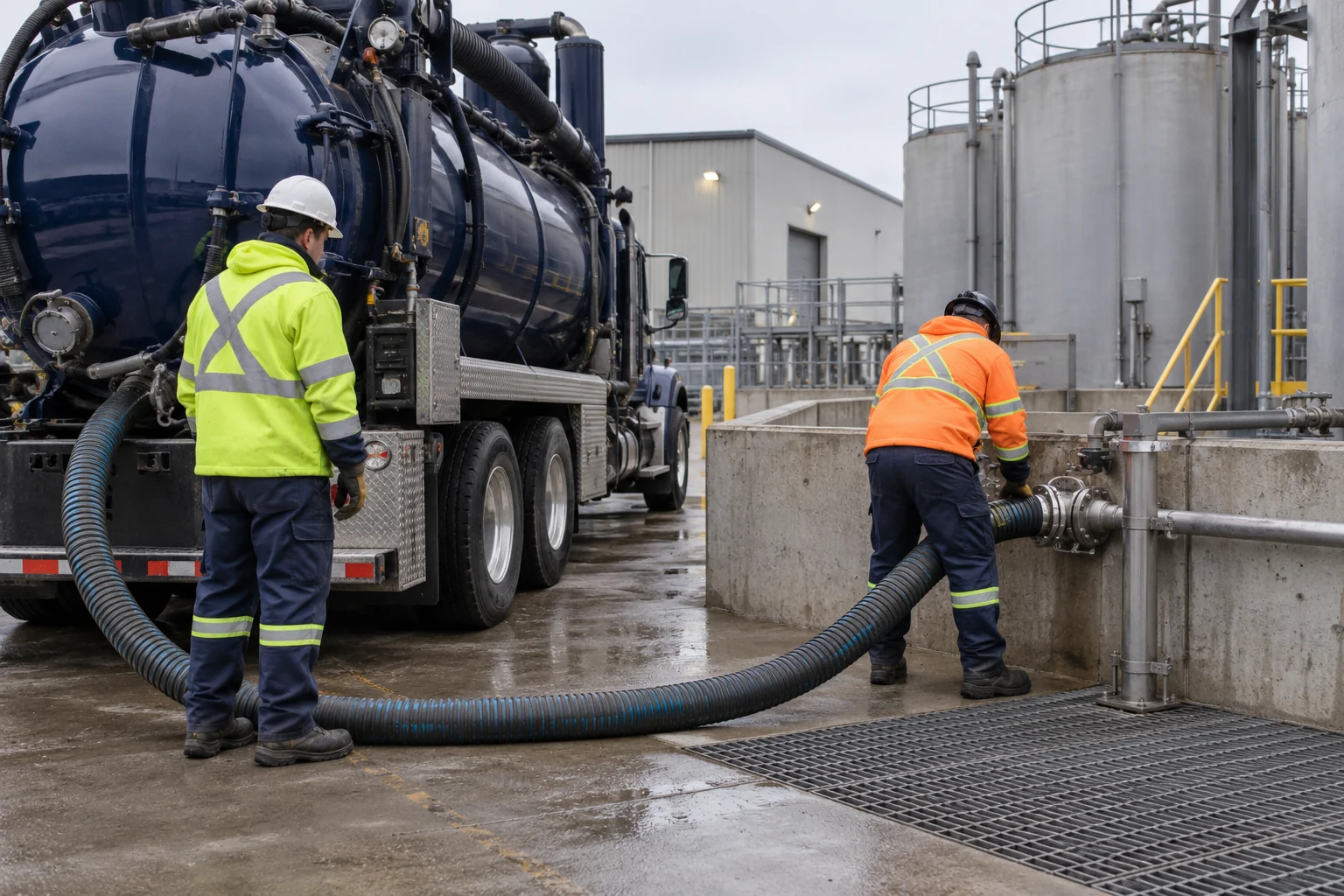
Removed wastewater and hydrovac material must be handled through a route suitable for their actual contents and applicable receiving requirements. Confirm the material and destination before transport or discharge. Calgary’s wastewater-hauling rules do not accept every waste type, and untreated hydrovac waste is specifically identified among prohibited materials for that wastewater receiving route.
Ask the vac truck contractor how this specific wastewater or slurry load will be classified, transported and documented.
Keep Material Identification With The Job
Describe where the material came from and what is known to be mixed with it. Keep that description with the pickup request so the receiving decision is not based on a simplified name later in the process. If site staff are uncertain about a constituent, say so. An unknown load should not be relabelled as ordinary wastewater merely to fit a preferred destination.
Distinguish Collection From Acceptance
Ask the contractor how acceptance is confirmed for the proposed material. A pump or vacuum system can physically collect a load without deciding its environmental handling route. The vehicle’s capability and a receiving facility’s rules answer different questions. Keep both addressed in the work plan before assuming that removal from the property also settles the final disposal arrangement.
Use The Correct Rules For The Proposed Destination
The City’s current hauling page should be used for the actual wastewater route being considered. Its rules and permit process are specific to that receiving system. Do not turn a general statement about acceptable waste into approval for this load. The responsible contractor needs to establish which requirements apply and whether the material falls outside that route’s accepted categories.
- Record whether the load is wastewater, hydrovac slurry or an unconfirmed mixture.
- Tell the hauler what is known about chemicals, grit and other contents without guessing from colour.
- Ask who confirms the permitted receiving facility and the records that will document delivery.
- Keep the material-handling record with the plumbing and excavation work records; removal alone does not finish either repair.
Do Not Route Untreated Hydrovac Waste Into That System
Untreated excavation material should not be directed into the City wastewater route on the assumption that it is mostly water. Ask the contractor about an appropriate receiving arrangement for the actual hydrovac load and any necessary characterization. Alberta publishes information about facilities accepting hydrovac waste, but a listing is not blanket acceptance of every load. Confirm the current facility requirements for the material involved.
Disclose Commercial Contents Before Pickup
Provide known site information about the liquid before collection. Commercial contents can change the appropriate process, and a general plumbing description may omit that fact. Do not add water to disguise a concentration or mix material simply to change its name. This guide does not classify a particular load; the responsible work process needs the actual contents and receiving requirements.
Ask Who Holds The Handling And Receiving Responsibility
Ask which contractor controls each stage and whether the quotation includes the appropriate receiving arrangement. Where another party handles transport or disposal, keep that handoff explicit. A building manager should know who to contact if the planned destination cannot accept the load. Do not leave the decision to someone who only arranged vehicle access and has no material information.
Keep The Records With The Incident
Retain the records supplied for the actual handling route and keep them tied to the incident. Do not claim a manifest or receipt establishes more than it records. The source repair can be a separate scope with a separate invoice, and the receiving record should remain understandable on its own. Clear records help explain what happened without inventing a universal documentation requirement.
The receiving plan governs the collected load, while the flooded property may need separate cleanup. Alberta’s flood cleanup and utility-safety guidance addresses water-damage and utility safety after the material is removed.
The City’s hauled-material guidance distinguishes acceptable from prohibited loads. Keep the contents and delivery record with the job.
Alberta also publishes a hydrovac waste receiving-facility list. Confirm the current requirements with the proposed facility; inclusion on the list is not acceptance of a particular load.
Address The Source And Site After Removal
Once the material leaves, review the source and property tasks that remain. A compliant receiving arrangement does not establish that a pipe was repaired, contaminated surfaces were cleaned or wet equipment is suitable for use. Give the incoming shift the remaining restrictions and responsible contacts. The material-handling result should be one specific entry in the overall incident record, not a blanket all-clear.
Keep A Load Description Through Each Handoff
| Record Or Decision | Useful Detail |
|---|---|
| At the property | Record the incident reference, collection location, known origin and disclosed uncertainty. Provide available information about commercial contents to the contractor before the pickup scope is confirmed. |
| Before transport | Ask who confirms the proposed receiving route and whether any information or characterization remains outstanding. Record the named contractor responsible for resolving that question. |
| After delivery | Keep the pickup or receiving records supplied through the actual process and match them to the incident. Read what each document confirms instead of treating every invoice as proof of final acceptance. |
A useful hypothetical description is: ‘Material collected from the affected basement area; source described by site staff; possible mixed contents disclosed to the hauler; receiving arrangement to be confirmed by the contractor.’ Replace that wording with the actual known details, rather than copy it as a classification. If someone later establishes different contents, pass the correction to the responsible hauler so the receiving decision uses the updated information.
Ask in advance what happens if the proposed destination cannot receive the material: who finds an appropriate route, who contacts the manager and how the change is recorded. This is a planning question, not permission for an improvised discharge. Keep unresolved acceptance questions with the material-handling task until the responsible contractor explains the next step. The plumbing repair record can refer to that task without claiming that the repair contractor also completed disposal.
Ask the Calgary contractor how the actual wastewater or slurry load will be classified, transported and documented before collection begins. Request service or call (587) 333-7742.