What If A Fixture Shutoff Breaks During A Leak In Calgary?
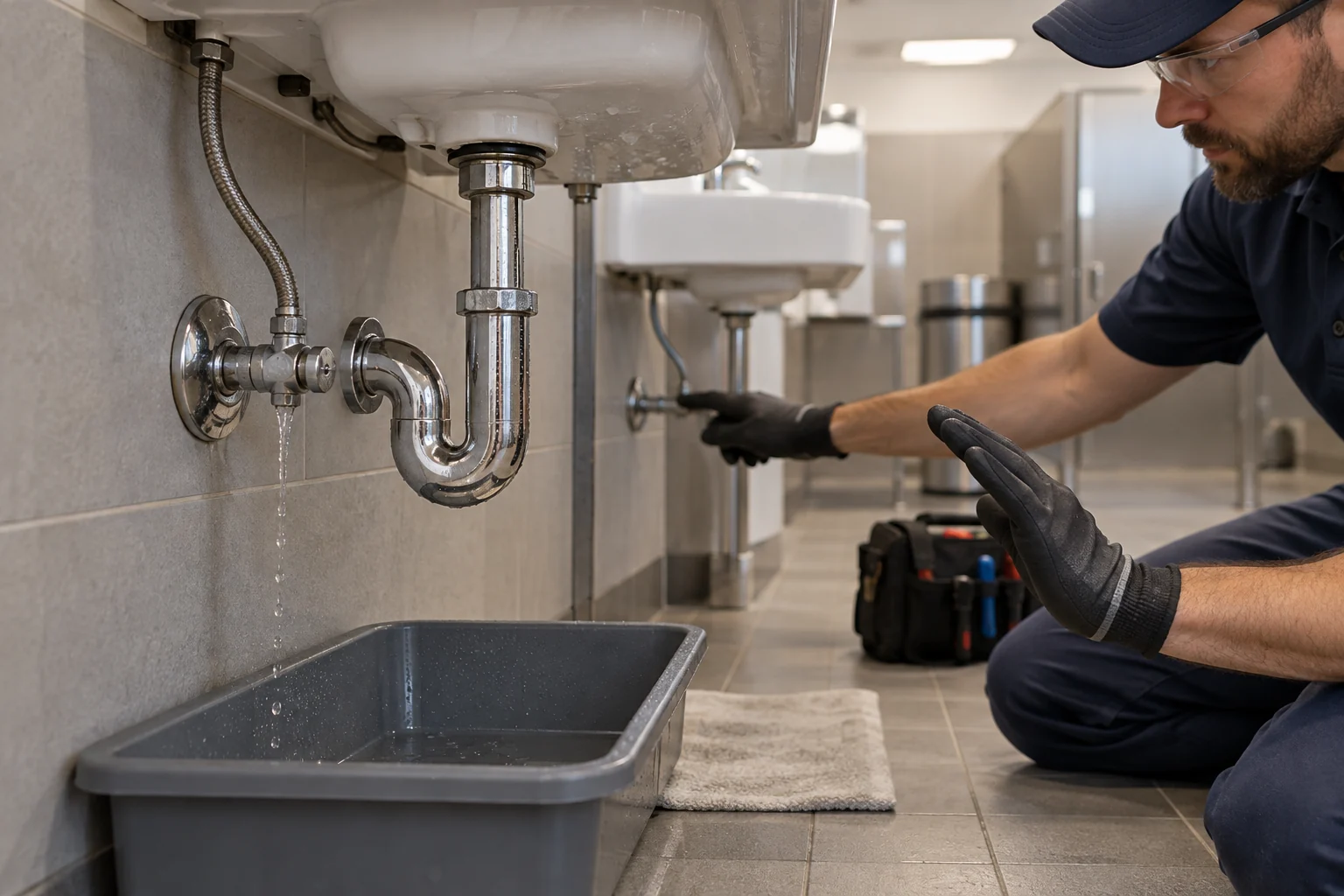
Stop trying to operate a fixture shutoff that breaks, begins leaking or will not turn normally. Use only a known appropriate upstream control that can be reached safely and is within your authority, then arrange plumbing help. A damaged handle or valve can leave the supply flowing, so do not assume the fixture is isolated from the control’s appearance.
Describe What Broke And What Water Is Doing
A broken handle, a valve body releasing water and a fixture still receiving water are distinct facts. Report whichever occurred without trying to expose the stem or remove the valve. If someone operated the control before it failed, include that sequence. The plumber needs the current condition as well as the original fixture leak to plan the appropriate source control and repair.
Put Down The Tools
Do not use a damaged stem as a substitute handle or force a valve farther because the fixture still leaks. Connected tubing and fittings can be affected by that movement. Stop, keep the area restricted and call the responsible contact. A valve that will not operate normally requires a different plan, not repeated attempts with stronger tools while the supply remains uncertain.
Use A Known Upstream Control Only
Check existing building information or ask the authorized manager about an upstream control. A branch valve may serve more than the visible fixture. Do not use proximity as proof of its purpose. If there is no established safely accessible control, tell the plumber directly that the local shutoff failed and water continues, so the visit accounts for the unresolved supply.
- Report whether the handle turns and whether water flow changes.
- Use a broader shutoff only from safe access and without forcing it.
- Tell occupants which fixture and supply remain restricted.
- Ask whether the valve, connection or downstream fixture actually failed.
Keep People Out Of The Affected Fixture Area
Tell staff not to use the affected fixture or operate its damaged valve. Keep people away from the water route and wet electrical equipment. A notice should identify the actual restriction without a guessed repair time. If other fixtures remain in service, their use should follow the known building arrangement and advice, not an assumption that every nearby connection is independent.
Notify The Manager About Shared Supply Effects
Before an authorized shared-supply change, identify the affected areas and tell the responsible occupants. Record which control was used and its effect. The manager should know if a temporary restriction affects business operations elsewhere. Do not promise a universal uninterrupted alternative when the supply layout has not been confirmed. Clear communication is part of managing the restriction, separate from repairing the valve.
A failed local valve belongs in angle-stop valve repair. If a drain is backing up at the same time, sewer-backup repair treats that as a separate problem rather than a result of the shutoff handle.
Give The Plumber Connection And Access Details
Give the contractor the fixture type, exact room and description of the control failure. Explain whether the water is still arriving and what safe upstream action has been taken. Arrange keys or an escort for any restricted space. Do not remove cabinet panels, disconnect tubing or pull a fixture forward just to give the plumber an apparently simpler repair.
Ask About Both The Valve And Original Leak
Ask the repair handover to distinguish the failed shutoff from the leak that prompted its operation. Both may need work, and repairing one does not establish that the other is resolved. If a temporary restriction remains, name the outstanding task and who will arrange it. The invoice should identify the actual components addressed rather than state only that the fixture area was attended.
A failed fixture shutoff can leave water supplied to an occupied room after staff believe it is isolated. If water reaches utilities or finishes, Alberta’s flood cleanup and utility-safety guidance helps plan their separate assessment.
Choosing The Next Isolation Step
Work through the available information in order. First, is there a clearly identified upstream control for this fixture or branch? Second, can it be reached from dry, safe access? Third, is the person operating it authorized to interrupt the supply it serves? If any answer is unknown, report that gap to the plumber or building manager. This decision check is about identifying an established control, not trying several valves until the leak changes.
In a house, a known main control may affect the whole home, so explain the interruption to everyone there. In a managed building, a branch or riser may supply neighbouring suites, washrooms or equipment. The manager needs to coordinate that wider effect. A local angle stop failing does not give a tenant authority to operate every common-building valve. Describe the ongoing release while access and approval are being arranged.
If an established upstream control is used safely, watch the water condition only from the safe location already available. Record whether the release stops, slows or continues; those are three different outcomes. Do not loosen a connection to prove pressure is gone. Continuing water can mean the source was not controlled, but the correct next step depends on the layout and the observed release. Let the responding contractor determine it.
Keep Two Faults On The Work Order
A sink supply connection may have been dripping before its stop handle broke. In that example, the visit has two questions: how to restore reliable isolation, and how to repair the original leak. The valve body, handle or stem finding should be recorded separately from the fixture connection finding. Otherwise the invoice may close the valve problem while the leak that started the incident remains.
Ask for the repair report to identify both test locations. A dry repaired stop while the branch remains isolated is different from a check in its intended supplied condition. Any remaining fixture restriction should name the fixture and who will arrange its repair. If a shared shutdown was needed, the manager should also update the building record so the next incident does not begin with an unidentified control or an outdated label.
Restore Service With Clear Instructions
When service is restored, notify the occupants affected by any shared restriction and retain the control identification. Ask what was checked at the repaired valve and original leak point, plus any remaining advice. If water appears again, stop affected use and report the new location. The previous repair record helps a later plumber understand what changed without assuming the same component is responsible.
When arranging help, give the crew the valve location, handle behaviour and change in water flow. Ask which finding, test and remaining restriction will be recorded. Request service or call (587) 333-7742.