When Is A Sewer Camera Inspection Useful In Calgary?
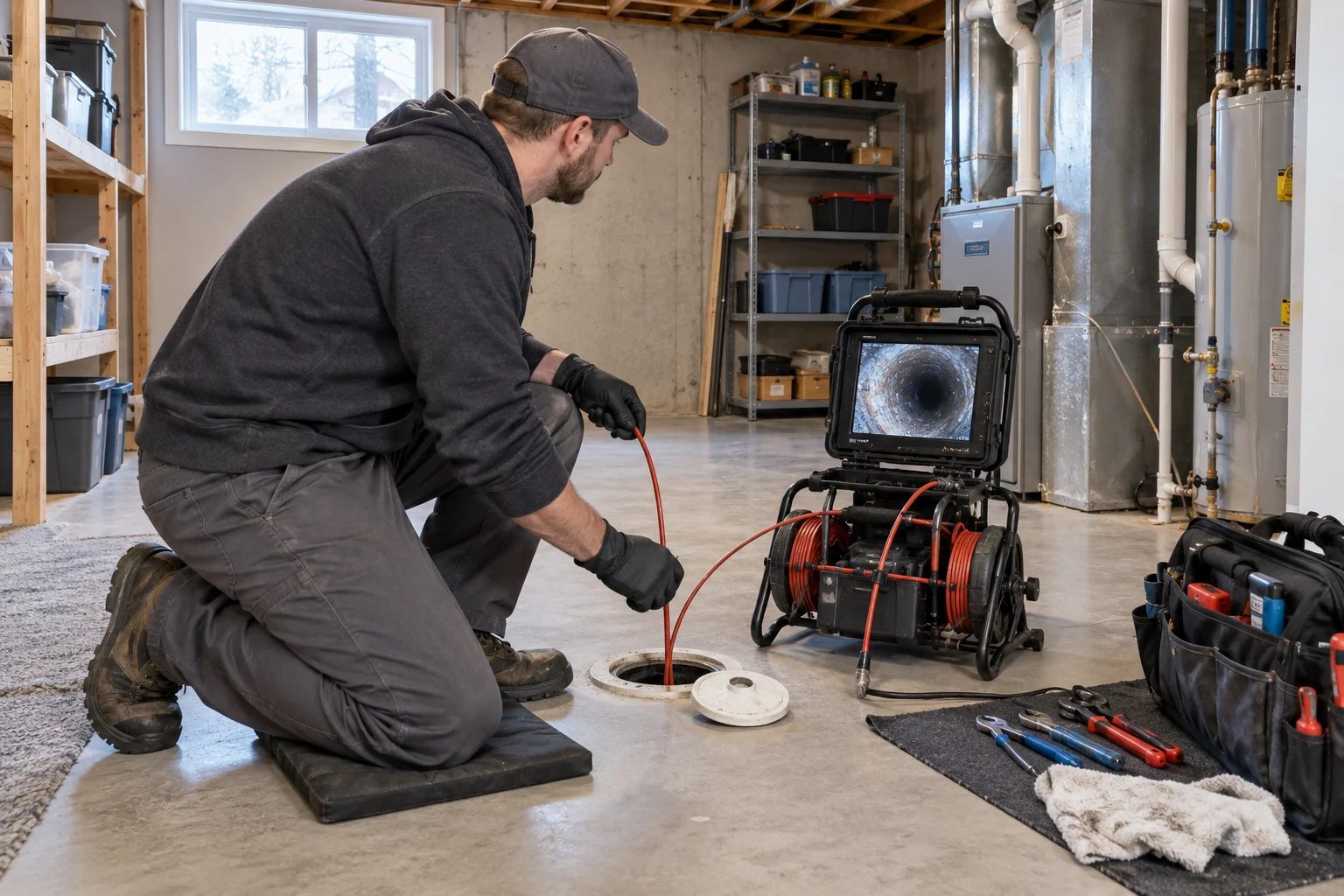
A sewer camera inspection is useful when a drainage problem needs an explanation beyond clearing a clog, such as recurring backups, suspected roots or a possible damaged pipe. It can also document an accessible line before repair decisions. The value depends on access and visibility: a camera cannot show reliably through sewage, deposits or a section it cannot reach.
Match the inspection to the decision you need to make
Before booking, explain why you want the footage. A repeated basement backup raises different questions from one slow kitchen sink. For recurrence, the useful decision may be whether material remains or a structural fault catches waste. For a planned repair, the question may be the extent and position of the damaged section. Define that question so the report can address it.
Symptoms across several fixtures help select the route for inspection. Tell the plumber whether a toilet flush causes a bathtub to rise, whether laundry triggers a floor drain, and what work has already been attempted. Those details can prevent an inspection of the wrong branch while the actual shared route remains unexplored.
Flow restoration may be needed before useful footage
An active sewer backup needs source assessment and reduced water use. A camera pushed into wastewater may reveal that the line is holding water without showing the surfaces beneath it. Controlled cleaning or another access point may be needed before the condition can be assessed. That preparation should be explained rather than presented as an unexpected extra with no diagnostic purpose.
If sewage is returning into occupied areas, arrange sewer backup assistance and keep people away from contaminated water. The City of Calgary sewage backup guidance describes local reporting and the role of 311 when municipal infrastructure may be involved. A camera inspection does not replace that ownership and infrastructure assessment.
Useful findings include their location and limits
Footage may reveal roots entering a joint, a displaced connection, damaged surfaces, an object or persistent standing water. Ask for the distance reference and an explanation of how the affected location relates to the property. A close-up without context can be difficult to turn into a repair plan or compare with a later inspection.
The report should also identify what was not seen. A lens obscured by deposits, a route beyond a blockage or an inaccessible connection is an inspection limit. It is reasonable for the technician to explain that another step is needed. Unseen pipe should not be described as confirmed sound merely because the first visible section looks satisfactory.
Use images to choose cleaning or repair carefully
A deposit in a line with suitable condition may support a cleaning approach. A damaged section may require a sewer repair assessment. The image alone does not establish that every method is appropriate; pipe material, access, connections and the rest of the route can affect the choice. Ask how the proposed action addresses the recorded finding.
A follow-up view can be valuable after cleaning or a repair, particularly when the original surface was obscured. Discuss what evidence will be used to verify the work. Running water and observing the line answer related but different questions, so neither should be treated as a substitute for the other in every situation.
Choose the Inspection Question Before the Visit
A camera visit is easier to evaluate when it starts with a defined question. Tell the technician which decision the footage is intended to support, and ask whether the planned route can answer it. The following examples show how the same camera can be useful for different purposes without providing the same conclusion in every home.
- Recurring backup: Ask whether deposits, roots or structural findings explain the repeated event and what inspection limits remain.
- Repair planning: Ask how the defect is located, which adjacent pipe was viewed and what information is still needed to select a method.
- After cleaning: Ask what the newly visible pipe surfaces show and whether the remaining route still contains an obstruction.
- After a repair: Ask whether the record identifies the corrected section and the check used to verify the relevant result.
These are diagnostic purposes, not guarantees about what the footage will show. A view obscured by wastewater may establish a limitation first, and that limitation can shape preparation or another access plan. Keep the original question in the report so the eventual recommendation is connected to it.
A Homeowner's Inspection Handover Checklist
Before the visit ends, request a plain-language handover you can use later. Someone reading the record should be able to identify the inspected line, distinguish an observed condition from an inference and understand the next decision. Ask for clarification if the video is provided without an explanation of what it covers.
- Record the access point, inspected route and endpoint. If more than one branch was viewed, identify each separately.
- Keep distance references with the images and note whether the finding was independently located for repair planning.
- List directly visible defects and the conditions that prevented a complete view of another section.
- Distinguish cleaning recommendations, structural repair recommendations and any further diagnostic step.
- Note any restrictions on fixture use and the symptoms that should prompt another call.
For a rental or condominium, provide this information to the party coordinating shared systems so a limited inspection is not presented as a whole-building clearance. The footage and written scope should travel together. A short video clip without its access point and limits can lead to a very different interpretation from the original assessment.
Retain the record even when no immediate repair is recommended. A later symptom can be compared against the earlier inspected route, while recognizing that an earlier view does not establish the condition indefinitely. That is more useful than relying on a remembered statement that the sewer looked fine.
Prepare access without opening the sewer yourself
Share the location of any known cleanout and previous plumbing modifications. Keep a dry route available where it is safe to do so, but do not loosen a cap on a backed-up sewer or remove a toilet to create access. Tell the technician if the access point is hidden behind finished surfaces so that any exposure work can be discussed first.
Keep the resulting video, location notes and recommendations together. These records make future recurrence easier to assess and help separate a newly observed fault from an old repaired one. For a Calgary inspection tied to a clear drainage question, see sewer camera inspection services or call (587) 333-7742 or request service.