When Does A Plumbing Emergency Need A Vac Truck In Calgary?
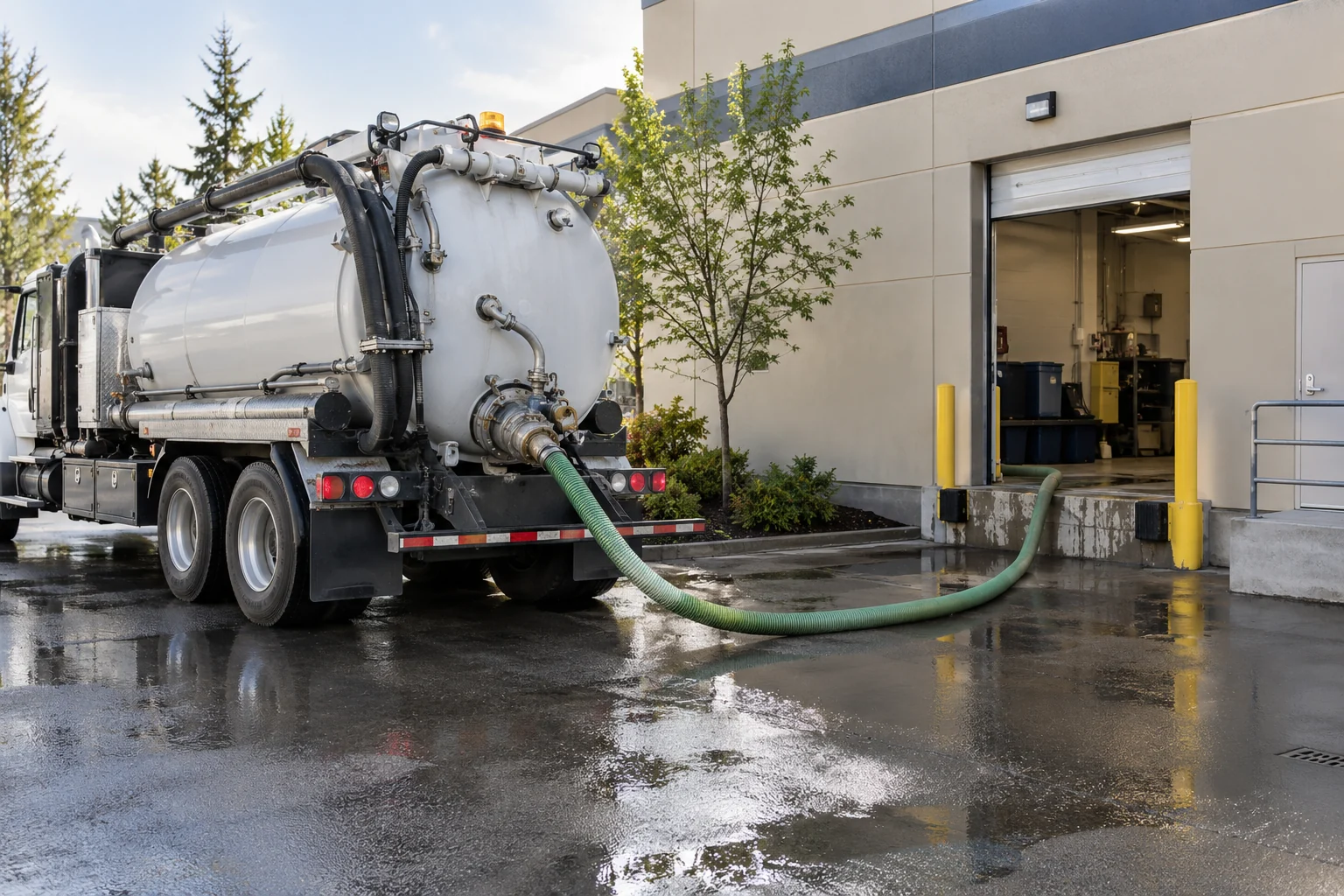
A plumbing emergency may need vacuum-truck removal when the assessed liquid or slurry, its location and the site access suit that equipment and an appropriate receiving route is confirmed. A truck is not automatically required for every puddle or backup. The source still needs separate attention, and the crew must know the material before removal is arranged.
Begin With The Material And Location
For example, standing wastewater in an affected holding area and soil slurry from exposure work can involve different equipment and receiving decisions. Tell the crew the material’s known origin, not only its colour or depth. If the source is uncertain, keep it uncertain in the report. The contractor can then establish the required handling without being asked to work from an unsupported description of clean water.
Explain The Removal Objective
State the intended result in building terms: removing liquid from a named area, providing access for further examination or addressing a holding system under an agreed scope. Those tasks do not all imply the same operation. Ask the contractor why vacuum collection is appropriate here and which other work remains. The vehicle booking should follow the assessed task rather than become the task definition itself.
Check Whether The Equipment Fits The Site
Tell the crew about gates, loading areas, tight routes and the location of the liquid. Do not decide that the equipment can operate there because another large vehicle once entered the property. The contractor must assess its actual setup and the surface condition. Explain unsafe access and wet electrical equipment before arrival instead of expecting staff to make a path through the affected area.
- Name the liquid or slurry only as precisely as the evidence allows; tell the crew when the contents are unknown.
- Describe the collection point, vehicle route, gate and any occupied or electrically affected area.
- Say whether water is still entering and who is arranging the separate source repair.
- Ask what receiving route is appropriate for the assessed material and what the removal visit will leave unfinished.
Address Active Sources Alongside Removal
Explain what source-control work has occurred and whether it changed the incoming water. If a sewer restriction or supplied connection remains unresolved, name the responsible repair contact. Continued inflow can change the removal work and the final site status. A collection visit can be one useful stage without establishing that the building’s drainage or water supply can return to normal use.
Confirm The Receiving And Handling Plan
Ask who confirms the receiving route for the actual load and what is included in the quoted scope. Material removal should not end with an improvised discharge decision. Calgary’s hauling rules distinguish acceptable and prohibited materials, and other routes may apply to a particular load. Keep known contents and uncertainty disclosed rather than assume every liquid collected from a property is ordinary domestic wastewater.
Keep People Away From The Collection Area
Use the agreed site restrictions and tell staff which area remains unavailable. Do not have an employee enter a pit or tank to assist hose placement. A vehicle and hose can introduce a work route that affects occupants and deliveries; communicate that route through the site contact. Crew setup belongs with the professional work process, not with improvised help from someone standing in wastewater.
Compare Truck Removal With The Assessed Alternatives
Request a plain reason for the proposed equipment based on the material, location and objective. Do not assume the presence of a commercial building requires the largest truck or that a smaller spill can be dismissed. The appropriate response should account for the real condition. Compare alternatives on the same agreed task, with handling and remaining work made explicit.
Removing liquid with a vac truck does not establish that wet electrical equipment can be reused. Alberta’s flood cleanup and utility-safety guidance covers utility and material precautions after water escape; keep them on a separate handover line.
Before hauling a collected load, check Calgary’s wastewater-hauling requirements for material acceptance and receiving requirements relevant to its actual contents.
The emergency vac truck scope should state what the crew will do and what remains for other trades or the property team.
Record What The Visit Does And Does Not Complete
At handover, record what was removed, which area was addressed and what remains. Separate the source repair, affected equipment examination and cleanup into named tasks. Tell the incoming shift whether access or fixture use is still restricted. A lower level of liquid or a cleared floor area does not answer every question about the system that released it.
Compare Removal Options On The Same Task
| Record Or Decision | Useful Detail |
|---|---|
| Material assumptions | Ask each contractor what contents its proposal assumes and how uncertainty will be addressed. A proposal for known wastewater cannot be compared directly with one based on an unconfirmed mixed load. |
| Collection objective | Identify the specific room, holding area or work point to be addressed. Ask whether the scope includes only collection or also access preparation carried out through the appropriate process. |
| Handling and receiving | Ask who confirms the destination and whether transport and receiving are included. Keep the answer tied to the described material rather than a general claim that disposal is always covered. |
| Remaining incident work | Name the source investigation, repair, cleanup or equipment checks that are outside the proposal. A useful comparison includes what the property must still arrange after collection. |
For example, one quotation may describe removal from an identified holding area with a receiving arrangement, while another names only a truck visit. Ask the second contractor to clarify the same objective and inclusions before comparing totals. This does not establish which option is best; it makes the proposed work understandable. The contractor must assess the material and operating access before equipment is selected.
If water is still entering, give both contractors that same current information. Ask how continued inflow affects their proposed task and what source-control coordination is needed. Update the booking if the material or collection location changes, rather than let a crew arrive with assumptions from the first phone call.
Describe the material, collection area and active inflow when requesting Calgary vac-truck help. Ask what will be removed and who is responsible for the remaining source repair. Request service or call (587) 333-7742.