Why Does A Sink Overflow With The Tap Off In Calgary?
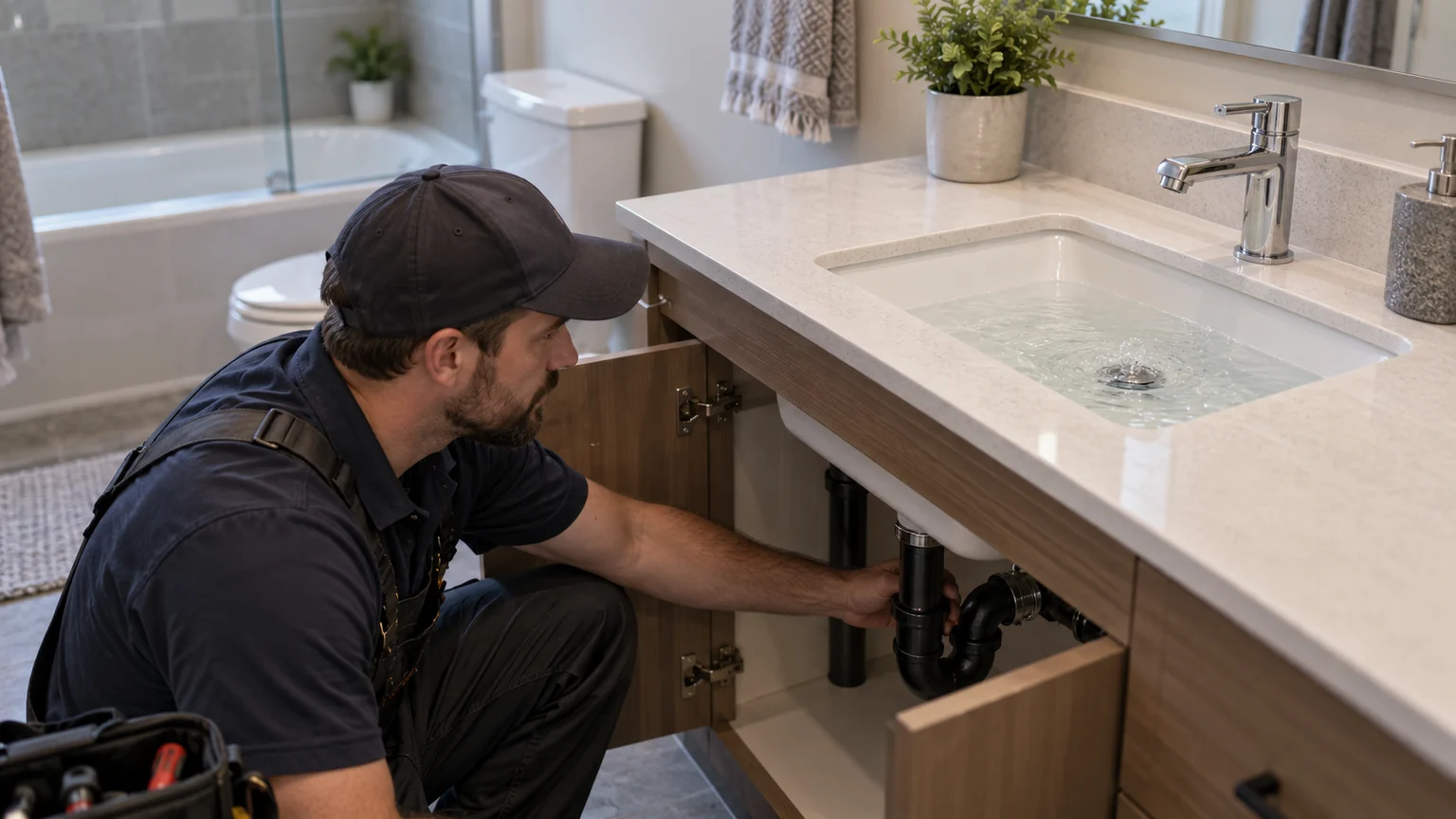
A bathroom sink can overflow with its tap off if wastewater returns through a restricted shared drain, another fixture feeds the branch, or the tap is not actually stopping the water supply. Note whether water emerges from the drain opening or the spout. That distinction changes the investigation. Stop using affected fixtures and notify building management if other units may contribute to the flow.
Establish where the incoming water appears
Watch from a safe dry position without turning fixtures on. Water rising through the drain differs from water dripping or running out of the tap. A tap fault belongs to the pressurized supply side, while reverse drainage calls for assessment of the route carrying wastewater away. A full bowl can obscure that distinction, so describe what you saw before it overflowed.
Do not assume that closing the sink's local supply valve will stop drain return. It can limit that fixture's incoming supply but not discharge entering from another connection. If the sink continues to rise with its supply isolated, tell the plumber because the common drainage needs attention.
A shared branch may receive water elsewhere
Another bathroom fixture, laundry connection or suite can contribute to the route. Note what was running when the bowl level changed, including activities outside your own unit if they are known. In a condominium or multi-unit rental, involve management early so access and water-use restrictions can be coordinated.
You do not need to test every fixture to provide useful information. Recreating an overflow can increase contamination and hidden moisture. Keep a brief written timeline so different residents can give the responding technician consistent information. Record the previous timing and affected openings, and let the responding team select a controlled investigation once the immediate source has been addressed.
Drain return deserves careful handling
Water that has travelled through a drainage route can contain waste even if it appears fairly clear. Keep children and pets away and avoid transferring it to unaffected rooms. If it reaches electrical equipment or a ceiling below, stay clear of the affected space and arrange the appropriate assistance.
A plumbing repair stops or controls the source, but it does not establish that cabinetry, flooring or concealed surfaces are dry and suitable for normal use. Explain which materials were contacted and ask separately what assessment is needed. The amount visible in the bowl does not necessarily show the amount already beneath the vanity.
The repair should account for the observed route
Bathroom sink overflow assessment can investigate the local fixture and branch. Broader symptoms, such as several drains rising together, may lead to sewer backup investigation. If the issue is actually a leaking or failed shutoff, valve assessment concerns a different component.
The City of Calgary sewage backup guidance explains local reporting when possible municipal infrastructure needs consideration. Simultaneous trouble at neighbouring properties is worth mentioning, but it does not prove the cause. The investigation should establish which route and responsibilities are involved rather than infer them from the sink's location.
A Tap-Off Overflow Checklist for Shared Buildings
A basin rising while your own tap is off can be especially confusing in an apartment or condominium. Gather information without asking other residents to run water as a test. The purpose is to coordinate source assessment and access, not identify responsibility before the route is known.
- Direction: Describe whether water came from the spout or drain opening before the bowl became full.
- Local controls: State whether the tap was closed normally and whether any supply isolation was used safely.
- Connected activity: Mention shower, laundry or another fixture use observed near the event.
- Other units: Tell management about simultaneous symptoms and any ongoing water-use instructions.
- Access and impact: Identify the affected bathroom and any moisture seen in adjacent or lower rooms.
Stopping one suite's tap does not isolate a common wastewater route. Building coordination can therefore be necessary before the water level stops changing. Ask management and the plumber to communicate the same restrictions so residents do not receive conflicting explanations.
Separate Supply Control From Drainage Control
| Observation | Why the distinction matters |
|---|---|
| Water continues through the spout | The local tap or supply arrangement needs assessment. |
| Water rises through the drain | The receiving drainage route and other contributing fixtures need investigation. |
| The level changes despite local isolation | Another source may still be feeding the drainage route. |
| Several units are affected | Access and restrictions may need common-building coordination. |
The table frames a service call; it does not establish the hidden pipe arrangement. A technician needs to confirm the route and source, particularly where renovations or shared connections make assumptions unreliable. Avoid accepting a tap replacement as an explanation for directly observed wastewater returning through the drain.
After the event, keep the fixture-use instructions with the findings. A resident returning later should know whether the bathroom is available or whether a shared restriction remains unresolved. A falling basin level can merely reflect reduced discharge elsewhere and should not be treated as verification.
Also record which surfaces were contacted. The plumbing source and assessment of the vanity, flooring or ceiling are separate outcomes. This distinction helps prevent a shared-building handover from implying that a clear drain establishes every affected room is ready for normal use.
Ask management to retain the fixture pattern from each affected unit rather than combine all reports into a generic sink problem. Differences in timing and location can help coordinate the investigation. A common message about restrictions should still identify which route has been assessed and what remains uncertain for residents.
Confirm what can be used while waiting
Ask whether other bathroom fixtures should remain out of use and whether shared-building restrictions are needed. A tap turned off in one suite does not prevent someone elsewhere from feeding a restricted common line. Clear instructions help avoid another overflow before the work is completed.
After the repair, request an explanation of the finding and the controlled check used to confirm drainage or supply control. Keep any unresolved limits in the record. For a Calgary basin that fills without local tap use, report the direction of water entry and the shared-fixture pattern when arranging help: call (587) 333-7742 or request service.