How Can I Limit Plumbing Damage While Away In Calgary?
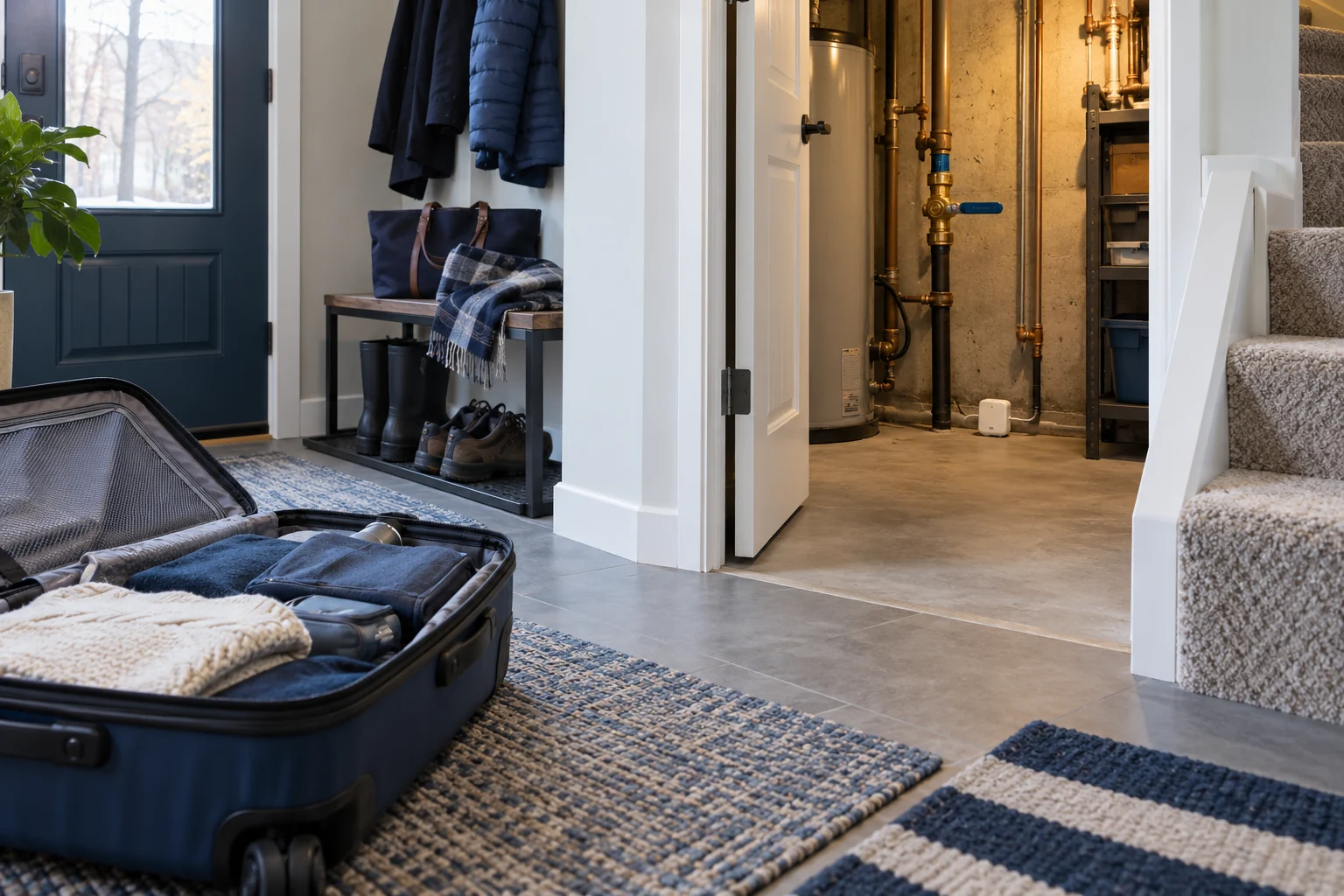
To reduce plumbing damage while away from a Calgary home, address known leaks, identify working controls and arrange a clear response plan for someone who can check the property. Discuss isolation with a plumber where appropriate, especially if heating or other equipment depends on water. Winter exposure and shared-building arrangements mean there is no single shutoff instruction that fits every property. Locating the main water shutoff before travel gives a trusted contact a clear starting point if water is found.
Resolve known problems before departure
A recurring wet patch, stiff main valve or appliance connection that already leaks should not be left as a travel experiment. Arrange assessment with enough time to understand the findings and any recommended follow-up. A drip that has seemed stable can still release water into concealed materials while no one is there to notice.
For Calgary water leak repair, explain that the property will be unattended and identify the existing symptoms. Ask which parts need work rather than assuming every connection must be replaced. The plan should follow confirmed condition and access, not an invented maintenance interval.
Identify controls and dependencies
Find the indoor main and any relevant fixture isolation points before a problem occurs. Have a reluctant or uncertain control assessed rather than forcing it on departure day. Ask whether any connected system relies on the water arrangement and what restrictions apply to safe isolation.
Heating, treatment equipment and shared supplies can complicate a simple instruction to turn everything off. Our main shutoff guide supports identifying domestic controls, but it cannot prescribe the correct operating state for every appliance or building system. Use the actual equipment and property instructions.
Plan for Calgary winter exposure
Pipes in unheated garages, exposed service areas or exterior-wall locations deserve attention before cold-weather travel. Reduced occupancy should not lead to an assumption that vulnerable plumbing can tolerate inadequate heat. A plumber can identify exposed plumbing and discuss protection suited to the home.
The City's frozen water line guidance explains warning signs and Calgary service-line considerations. Its prevention program also involves specific City directions; do not substitute a generic dripping-tap rule for those instructions.
Give the checking person a usable response plan
Provide the exact address, entry arrangement, responsible contacts and location of known controls. Explain what signs should prompt a call: new wetness, unusual running water, loss of supply or drainage backup. The person checking the property should not be expected to diagnose hidden piping or perform a repair.
Make the safety boundary explicit. They should not enter water near electrical equipment, approach a damaged ceiling or operate unfamiliar common valves. A response plan is useful because it reduces uncertainty, not because it requires someone to take risks to preserve the building.
Consider appliances and outdoor connections
Review manufacturer instructions for appliances with water connections and ask about appropriate isolation where needed. A washing machine, refrigerator line or treatment system can have a leak separate from the bathroom piping. Do not disconnect equipment by guesswork immediately before leaving.
Outdoor taps and landscape irrigation need property-specific seasonal attention. Hose bib leak assessment concerns both visible outdoor symptoms and possible leakage inside. A frost-free label alone does not establish that the entire connected arrangement is protected from freezing.
Keep policy and monitoring decisions evidence-based
Check any relevant insurer or property requirements directly rather than relying on a neighbour's travel checklist. If you use a leak alarm or monitoring device, understand its limitations and who will respond. An alert without access or an available contact may not result in prompt source control.
Record the planned valve state, appliance restrictions and checks agreed for the property. Keep that information with the emergency contacts. No arrangement can promise that a leak will never occur, but a working-control and response plan can help the next person report and manage actual conditions more effectively.
A pre-departure plumbing preparation checklist
- Known symptoms: arrange assessment of recurring leaks, unusual water use or a reluctant control before the home is unattended.
- Identified controls: record the actual domestic valve and any property-specific isolation instructions, without assuming every system can be shut off together.
- Winter exposure: describe vulnerable rooms or pipe locations and follow relevant equipment and City directions rather than a generic internet routine.
- Appliance arrangements: review the actual connected equipment instructions and obtain advice where its safe unattended state is unclear.
- Access contact: ensure the checking person can reach the property and knows whom to contact for plumbing, management and immediate hazards.
- Observation plan: explain what signs to report and make clear that checking does not include hazardous investigation or repair.
- Record location: keep the valve reference, restrictions and emergency contacts together so the response does not depend on reaching you immediately.
Make the checking person's role specific
Ask the person checking the home to report ordinary visible conditions, such as new wetness, an unfamiliar running-water sound or a fixture problem. They should know where known controls are, but should not be expected to diagnose concealed piping, enter standing water near equipment or operate a stiff valve. Knowing an address and access route is more useful than a vague instruction to handle anything that happens.
If an alarm or monitoring system is used, define who receives the alert and who can act on it. An alert alone does not stop the source or provide safe property access. Do not assume every sensor has automatic isolation or that a remote notification proves the whole home is dry. Follow the actual system documentation and maintain a human response plan.
Clarify shared-building contacts if the property is a suite. An occupant's domestic valve may not address a common riser or water from another unit. The checking person should report the affected space and let management coordinate common systems rather than improvising with mechanical-room controls.
After returning, review any observations or alerts and arrange follow-up on unresolved symptoms. A temporary restriction should not be forgotten merely because no large puddle appeared during travel. Keep the plan current after renovations, equipment changes or valve repairs so the next trip uses the property's confirmed arrangement, not an outdated checklist copied from a different home.