What Counts As A Plumbing Emergency In Calgary?
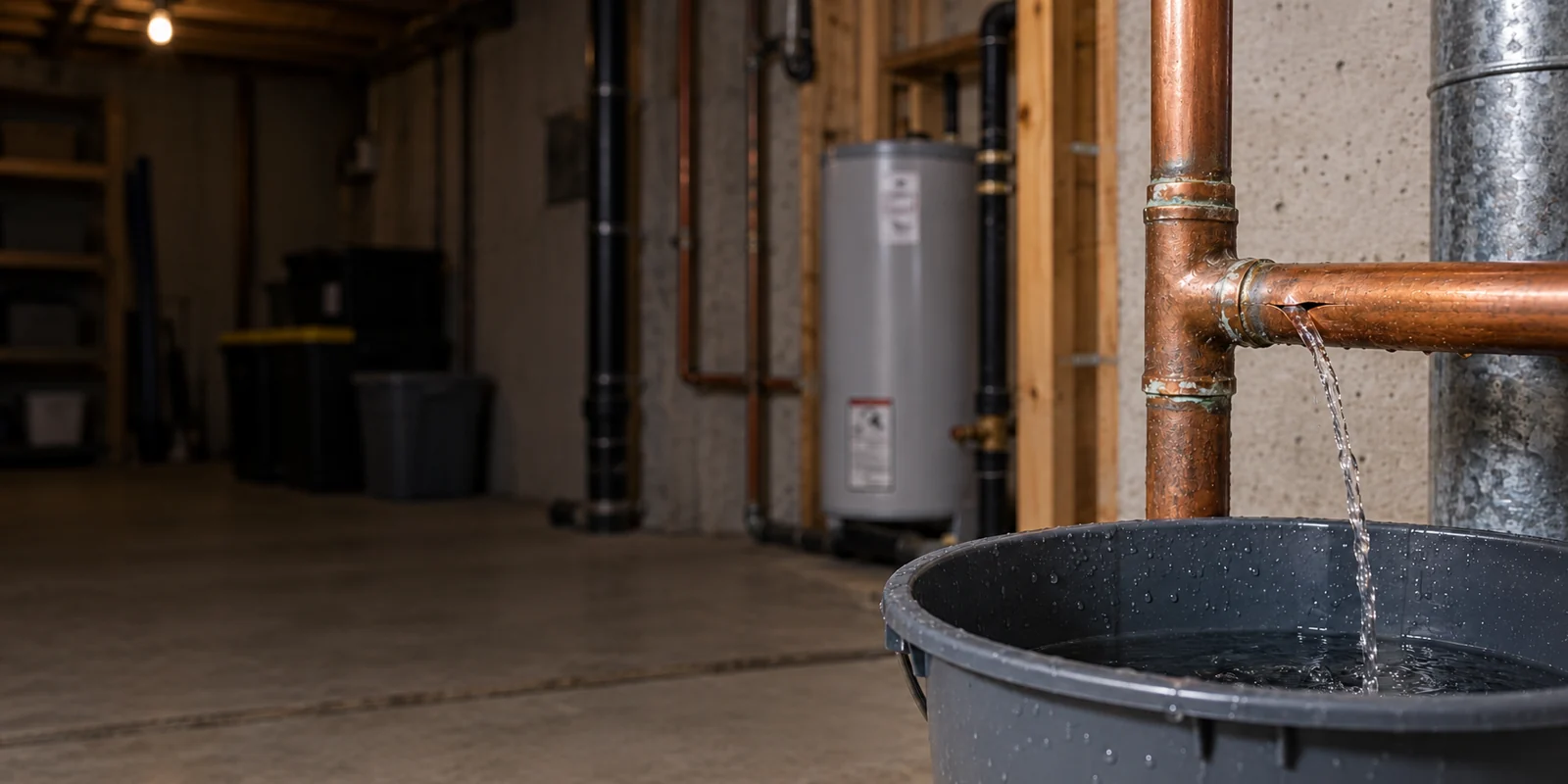
A plumbing emergency in Calgary is a leak, backup or plumbing failure that cannot wait without causing more damage or leaving someone without an essential fixture. Call an emergency plumber if a pipe is spraying, sewage is rising through a drain or an overflow will not stop. A small drip may be able to wait if you can shut off that fixture and the area stays dry, but a leak inside a wall or ceiling needs closer attention.
Look at where the water is going
A few drops on a counter are easy to see and wipe up. The same amount leaking inside a ceiling can go unnoticed for hours. Water can travel along framing, collect beneath flooring or reach electrical components before the source is obvious. An expanding stain, repeated pooling or water crossing into another room deserves a different response from a contained drip at a fixture that is no longer being used. Think about what the water can reach if nothing changes. For a contained drip, whether a small leak can wait until morning depends on whether you can isolate it and keep the area dry.
No hot water is another situation where the household matters. If you cannot meet a care need or use the only accessible bathroom, explain that when you call. A cold shower alone does not tell you why the heater stopped working. Also mention any visible leak, error message or unusual change in water temperature; those details help the plumber decide what to check.
Stay out of rooms with electrical or ceiling hazards
Water near energized equipment, sewage in an occupied room and a ceiling that is sagging create hazards beyond the plumbing fault itself. Keep people and pets away from the affected area. Do not enter standing water to reach a breaker, appliance plug or shutoff. If someone is in immediate danger, contact emergency services rather than trying to make the room safe yourself.
Alberta's flood cleanup guidance explains why wet electrical systems need professional assessment. Even clean tap water can be dangerous when it reaches electrical equipment. Its source does not make it safe to walk through.
Is it fresh water leaking, or a drain backing up
A pressurized pipe can keep releasing water even when every tap is closed. If you can safely reach a known working indoor shutoff, isolating the supply may reduce that release. Wastewater rising through a drain behaves differently. Stop using connected fixtures and avoid flushing another toilet to test whether the backup has cleared. More water can add to the overflow.
Our main shutoff guide shows where to look for the indoor supply valve and when to leave an unfamiliar valve alone. For wastewater returning into fixtures, sewer backup repair addresses the drainage problem; closing the drinking-water supply does not remove a sewer blockage.
Did closing the valve really stop the leak
A drip that stops after a fixture valve closes may be contained temporarily. A valve that itself leaks, water that continues to spread, or an inaccessible source means the problem is not reliably isolated. Do not treat a bucket as a lasting safeguard if it can overflow while you sleep. Also consider whether another occupant might reopen the valve or run a connected appliance.
In a suite or condo, one valve may serve more than your own fixtures. Leave unfamiliar shared valves alone and contact the landlord, concierge or building manager. Tell them which room is leaking and whether water has reached another unit. They may need to arrange access to a locked mechanical room or warn other residents before the plumber shuts off a shared line.
What to tell the plumber when you call
Explain whether water is currently moving, which fixtures are affected, whether the source is visible and whether any valve has been closed. Include your Calgary address and the safest access route. Mention sewage, electrical proximity or water passing between floors at the beginning of the conversation, not after a lengthy description of the stain.
A photograph taken from a dry, safe position can clarify the visible condition, but do not remove wall panels or move heavy appliances just to obtain one. The plumber needs to know what is happening now. You do not need to identify the failed part before calling.
What still needs checking after the leak stops
Plumbing repair stops or corrects the source. It does not automatically dry concealed materials, sanitize sewage contamination or approve wet electrical equipment for use. Ask which follow-up trades or assessments the visible damage may require. Write down which valve was closed and which rooms got wet. Share that information with anyone who comes to inspect or dry the property.
For an active household leak, Calgary water leak repair starts with finding and stopping the plumbing fault. When you call, say whether water is still coming out and whether you have closed a valve. The plumber can explain the repair options after inspecting the pipe, fixture or connection.
Common situations and what to report
These examples can help you explain the problem over the phone. Tell the plumber if anything changes while you wait, especially if water starts entering another room or returns after you thought it had stopped.
| What you see | Why it matters | What to tell the plumber |
|---|---|---|
| A pipe keeps leaking with every tap turned off | The pipe may still be under pressure, so water can keep escaping while nobody is using it. | Say whether closing the indoor shutoff slowed or stopped the leak and which rooms are getting wet. |
| Water rises through a drain when another fixture runs | Using that fixture may send more wastewater towards the blockage and increase the overflow. | Name the fixtures involved, where the water comes up and whether it contains sewage. |
| A fixture stays dry after you close its supply valve | Closing the valve may stop more water from escaping, but the leaking part still needs repair. | Explain which valve you closed and whether everyone in the home knows to leave the fixture unused. |
| There is no hot water, but you cannot see a leak | A heater fault can affect the whole home. Mention any care needs that make hot water essential. | Say whether every tap is affected and describe any error message you can read without touching the equipment. |
Five details to have ready before you call
- Is water still coming out? Say whether it is spraying, dripping, pooling or returning through a drain. If it stopped, explain what changed. A stain that appeared yesterday tells the plumber less than whether it is growing now.
- Where has it reached? Name the rooms and floors involved, including any water entering a ceiling below. Mention whether you can see the source or only the damage. Do not open a wall or ceiling to find out.
- Have you closed a valve? Explain which one and what happened afterwards. If you do not know what a valve serves, say so. Do not guess that the leak has stopped just because you turned a handle.
- Can the plumber reach the area? Mention a locked mechanical room, a tenant who needs notice or a parking restriction. Explain electrical hazards, sewage or a sagging ceiling before anyone enters the room. Take photographs only from a safe, dry spot.
- Which fixtures can you no longer use? Say if the only toilet or an accessible bathroom is out of use, or if someone needs hot water for care. Leave the faulty fixture unused while you arrange an alternative; do not reopen it just to test it.
If the leak has stopped, keep the faulty fixture out of use until you know why it leaked. Do not reopen its valve just to see whether it happens again. If nobody will be home, tell the plumber who can provide access and how to reach that person. In a shared building, give the manager the same update so another resident or staff member does not accidentally turn the water back on.